
Sophia Tolstoy’s Marriage and Estrangement
The Second SexThis flow follows Sophia Tolstoy’s early married life as the promise of marriage gives way to isolation, difficult maternity, dependence, and growing estrangement from her husband.
increasing Bearing strength in each event
 decreasing
Bearing strength in each eventdecreasingA Sudden Marriage
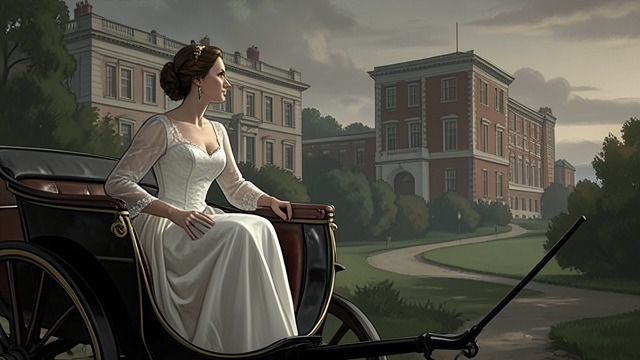
Leaving the Family Home
The wedding journey
Sophia Tolstoy married Leo Tolstoy after a short engagement and left her family home on the wedding evening. Her diary records the painful farewells, especially her mother’s grief, and her own fear as the carriage carried her away.
At their first stop, she felt unable to address her new husband familiarly. The marriage had changed her status at once, but intimacy had not yet made him familiar; the new household felt like an unfamiliar world rather than a secure home.
A break in continuity
The departure illustrates how marriage could be both a desired adult threshold and a wrenching separation from the only community a young woman knew. The bride entered a lifelong arrangement before she had established an independent place for herself outside her family.
The Husband’s Past
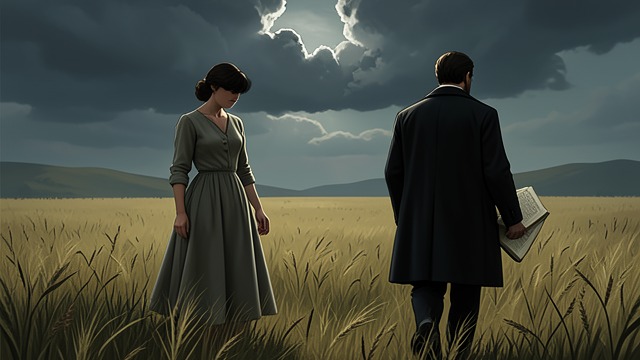
An Intimate Rivalry
An ideal unsettled
Soon after arriving at Yasnaya Polyana, Sophia wrote that she had imagined loving a man who was entirely new and pure. Her husband’s prior life disturbed this ideal: she could not stop thinking that she was not the first woman he had loved.
The thought made marriage feel less like a beginning shared equally by two novices than an entry into a story that had already begun without her. Her distress reveals the difference between the bride’s expectations and the husband’s greater experience and freedom.
Early doubts
Sophia’s diary repeatedly turns toward the gap between her hopes and the life she had entered. She wanted to be central to her husband, yet she had little means to make herself so except through his attention and affection.
Loneliness in the Household
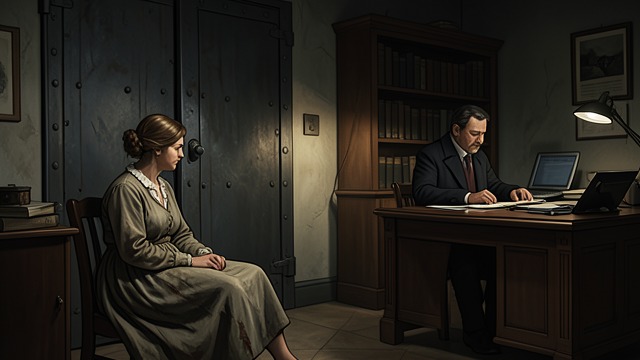
A Home Without Companionship
Domestic emptiness
Sophia described sadness, boredom, and a sense of being alone even while living as a wife. She struggled to find work that felt meaningful and watched her husband turn toward his own work and interests.
Household tasks existed, but they did not answer her desire for an activity that would justify her life. The home secured her place as a wife while leaving her without the independent projects through which she might have shaped that place herself.
Dependence and fear
Her diary records her wish to be near Leo Tolstoy and her fear that he did not love her. She could not easily separate longing for companionship from dependence on the only person who gave the household its direction and meaning.
Motherhood and Discontent
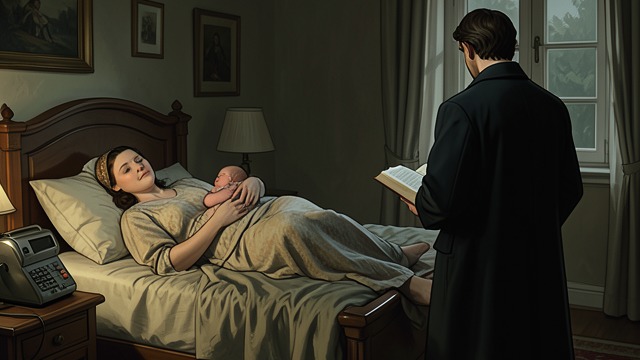
An Ambivalent Maternal Role
Pregnancy and isolation
Sophia’s diary presents pregnancy not as a simple fulfillment but as an experience intertwined with illness, emotional emptiness, and worry about her husband. At one point she complained that her pregnancy seemed to make her disappear from his attention.
She was expected to find purpose in household and maternal duties, yet she also wanted work, intellectual life, and something of her own. The contrast made motherhood part of her marriage’s tensions rather than an automatic resolution of them.
Love and grievance
Her entries could praise her husband and describe intense love, then return to loneliness, jealousy, and resentment. The diary preserves these reversals instead of smoothing them into a single account of a happy or unhappy marriage.
A Life Divided by Work
Copying and Estrangement
Work without independence
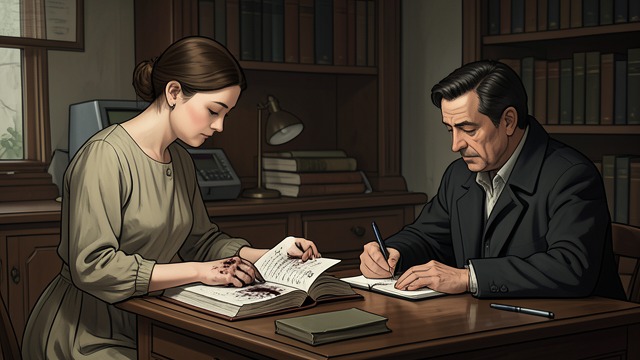
Sophia took on extensive household and family responsibilities, including copying her husband’s manuscripts. Her labor supported his literary life but did not give her a comparable independent vocation or the recognition she longed for.
The arrangement made her both indispensable to the household and dependent on a life organized around another person’s work. The more she gave, the more difficult it became to distinguish devotion from frustration.
An unresolved ending
The book presents their marriage as a long struggle of attachment, need, and conflict, ending in the supplied account with Leo Tolstoy’s departure from Yasnaya Polyana. Sophia’s diary remains a record of a woman whose intense investment in marriage never yielded the reciprocal autonomy she wanted.
September 1862
October 1862
The first months of marriage, late 1862
During the early years of marriage
Later married life, before Leo Tolstoy’s departure
